The Ultimate Guide To Choosing The Best Worm Farm For Your Needs
The Ultimate Guide to Choosing the Best Worm Farm for Your Needs
Worm farming is a great way to reduce your food waste, improve your soil quality, and even produce your own organic fertilizer. But with so many different worm farms on the market, it can be tough to know which one is right for you.
That's where this guide comes in. We'll walk you through the factors you need to consider when choosing a worm farm, and we'll recommend some of the best worm farms on the market for a variety of needs.
What is a worm farm?
A worm farm is a container that you use to compost food scraps using worms. The worms break down the food scraps into a nutrient-rich material called worm castings, which can be used to fertilize plants.
Why should you get a worm farm?
There are many reasons why you should get a worm farm. Here are just a few:
- Reduce food waste. Worm farms can help you reduce your food waste by turning it into a valuable resource.
- Improve soil quality. Worm castings are a great way to improve the quality of your soil. They are rich in nutrients and help to aerate the soil.
- Produce your own organic fertilizer. Worm castings can be used as a natural fertilizer for your plants. They are safe for plants and the environment.
- Become more self-sufficient. With a worm farm, you can produce your own organic fertilizer, which can help you save money on fertilizer costs.
What factors should you consider when choosing a worm farm?
There are a few factors you need to consider when choosing a worm farm. These include:
- Size. How much food waste do you produce? You'll need to choose a worm farm that is the right size for your needs.
- Type. There are two main types of worm farms: continuous flow and static. Continuous flow worm farms are more efficient, but they also require more maintenance. Static worm farms are less efficient, but they are also easier to maintain.
- Material. Worm farms are typically made from plastic, wood, or metal. Plastic worm farms are the most common, but they can be susceptible to UV damage. Wood worm farms are more durable, but they can be more difficult to keep clean. Metal worm farms are the most durable, but they are also the most expensive.
- Price. Worm farms range in price from around $20 to $200. You'll need to decide how much you are willing to spend on a worm farm.
Recommendations
Here are a few of the best worm farms on the market:
- Vermicomposter 101. This is a great option for beginners. It is a small, affordable worm farm that is easy to set up and maintain.

- Uncle Jim's Worm Farm. This is a larger, more advanced worm farm. It is made from durable plastic and has a continuous flow system.

- Worms Eat My Garbage. This is a great option for those who want a worm farm that is easy to harvest. It has a unique design that allows you to easily remove the worm castings without disturbing the worms.

Conclusion
Worm farming is a great way to reduce food waste, improve your soil quality, and even produce your own organic fertilizer. With so many different worm farms on the market, there is one that is perfect for you.
I hope this guide has helped you choose the best worm farm for your needs. If you have any questions, please feel free to leave a comment below.
Are you looking for a way to reduce your food waste and create nutrient-rich compost for your plants? If so, a worm farm is a great option! Worm farms are easy to set up and maintain, and they can help you save money on fertilizer.
There are many different types of worm farms available, so it's important to do your research to find the best one for your needs. Garden Wiki is a great resource for learning more about worm farms. They have a comprehensive buyer's guide that can help you choose the right type of worm farm for your home.
In addition to their buyer's guide, Garden Wiki also offers a variety of other resources about worm farming, including articles, videos, and a forum where you can ask questions and connect with other worm farmers.
If you're interested in learning more about worm farms, I encourage you to visit Garden Wiki. They have everything you need to get started on your worm farming journey!
FAQ of best worm farm
1. What is the best type of worm farm?
There are two main types of worm farms: the stacked worm farm and the continuous flow barrel. The stacked worm farm is a more traditional type of worm farm, and it is made up of several layers of trays. The continuous flow barrel is a newer type of worm farm, and it is a single barrel that has a spigot at the bottom.
The best type of worm farm for you will depend on your individual needs and preferences. If you have a small space, then a stacked worm farm may be a better option for you. If you are looking for a worm farm that is easy to maintain, then a continuous flow barrel may be a better choice.
2. What are the benefits of worm farming?
There are many benefits to worm farming. Worms can help to reduce food waste, and they can also produce a valuable fertilizer called worm castings. Worm castings are rich in nutrients, and they can be used to improve the health of your soil.
Worm farming can also be a fun and rewarding hobby. It is a great way to learn about the natural world, and it can also help you to reduce your environmental impact.
3. How do I start a worm farm?
Starting a worm farm is relatively easy. You will need to purchase a worm farm, some worms, and some bedding material. You can then start feeding your worms your food scraps.
Here are some tips for starting a worm farm:
- Choose a worm farm that is the right size for your needs.
- Purchase red wiggler worms. Red wigglers are the most popular type of worm for worm farming.
- Use a bedding material that is high in carbon and low in nitrogen. Some good options include shredded newspaper, cardboard, or coconut coir.
- Feed your worms a variety of food scraps. Some good options include fruits, vegetables, coffee grounds, and tea bags.
- Keep your worm farm moist, but not soggy.
4. How do I care for my worm farm?
Once you have started your worm farm, you will need to care for it on a regular basis. This includes feeding your worms, adding bedding material, and keeping the worm farm moist.
Here are some tips for caring for your worm farm:
- Feed your worms a small amount of food scraps every few days.
- Add bedding material as needed to keep the worm farm moist.
- Water your worm farm if it becomes too dry.
- Check your worm farm regularly for signs of problems, such as pests or diseases.
5. How do I harvest my worm castings?
Once your worm castings are mature, you can harvest them. To do this, you will need to remove the top layer of bedding material. The worm castings will be underneath the bedding material.
You can use your worm castings to improve the health of your soil. You can also sell your worm castings to other gardeners or farmers.
Image of best worm farm
- Worm Factory 360

This is a popular worm farm for beginners because it is easy to set up and maintain. It is also a good size for small households.
- Hungry Bin
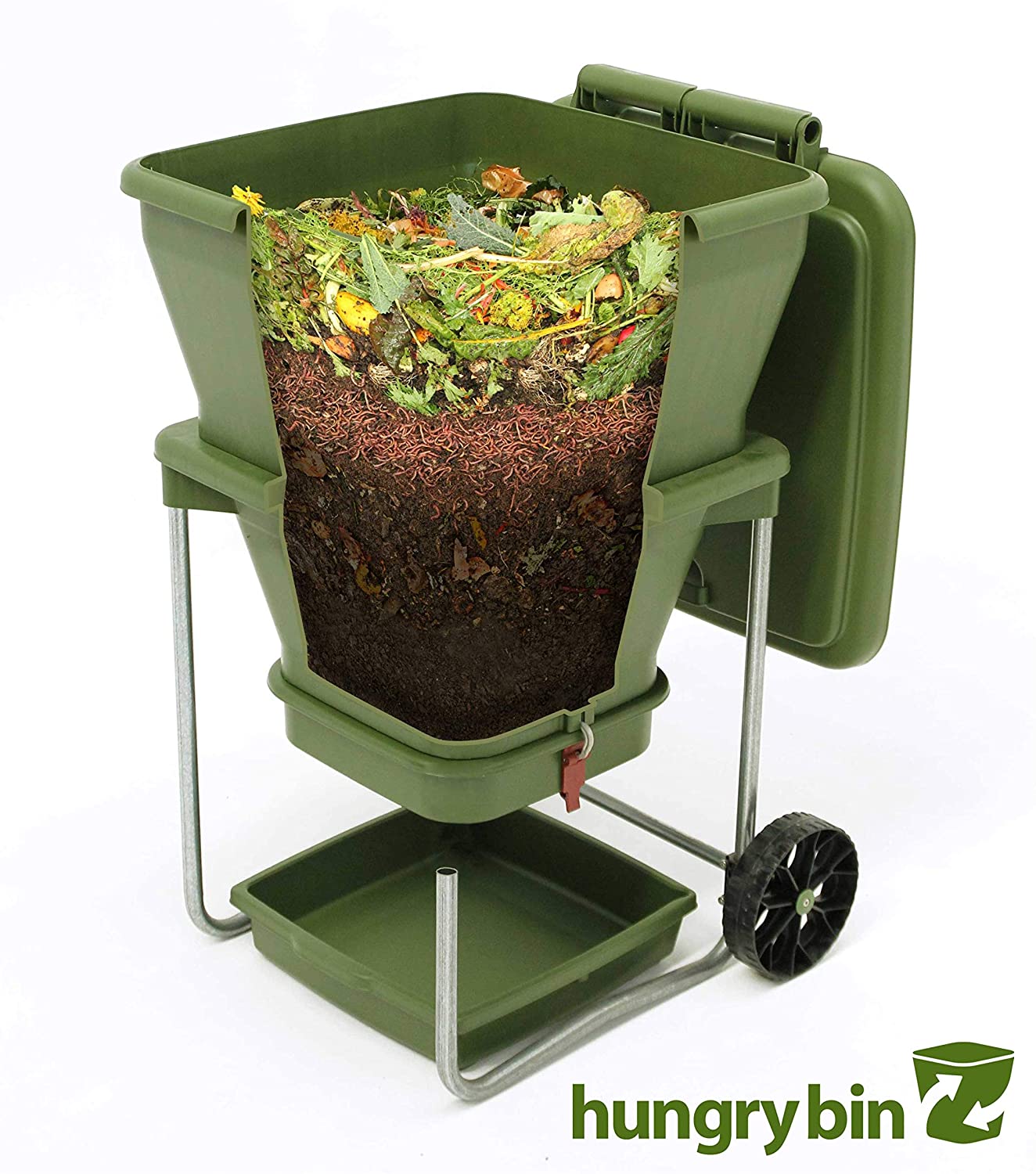
This worm farm is more expensive than the Worm Factory 360, but it is also more efficient. It can process more food scraps and produce more compost.

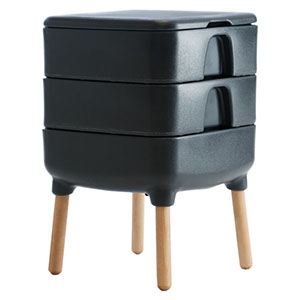
- Hot Frog Living Composter

This worm farm is designed to be used indoors. It is a good option for people who live in apartments or condos.
- VermiHut

This worm farm is made from recycled plastic. It is a good option for people who are looking for an environmentally friendly worm farm.

- Wormseat

This worm farm is made from wood. It is a good option for people who want a worm farm that looks natural.

Post a Comment for "The Ultimate Guide To Choosing The Best Worm Farm For Your Needs"