The Best Tomato Companion Herbs For Flavor Pest Control And More
Introduction
Tomatoes are a delicious and versatile vegetable that can be enjoyed in many different ways. But did you know that there are certain herbs that can help to improve the flavor, pest control, and overall health of your tomato plants?
In this blog post, we will discuss the best tomato companion herbs, as well as how to plant them together for the best results. We will also provide some tips on how to use these herbs to enhance the flavor of your tomatoes.
The Benefits of Companion Planting
Companion planting is a gardening technique that involves planting certain plants together to benefit each other. This can be done for a variety of reasons, such as to improve the flavor of the plants, to repel pests, or to improve the health of the soil.
When it comes to tomatoes, there are a number of herbs that can be planted as companion plants. These herbs can help to improve the flavor of the tomatoes, repel pests, and improve the health of the soil.
The Best Tomato Companion Herbs
Some of the best tomato companion herbs include:
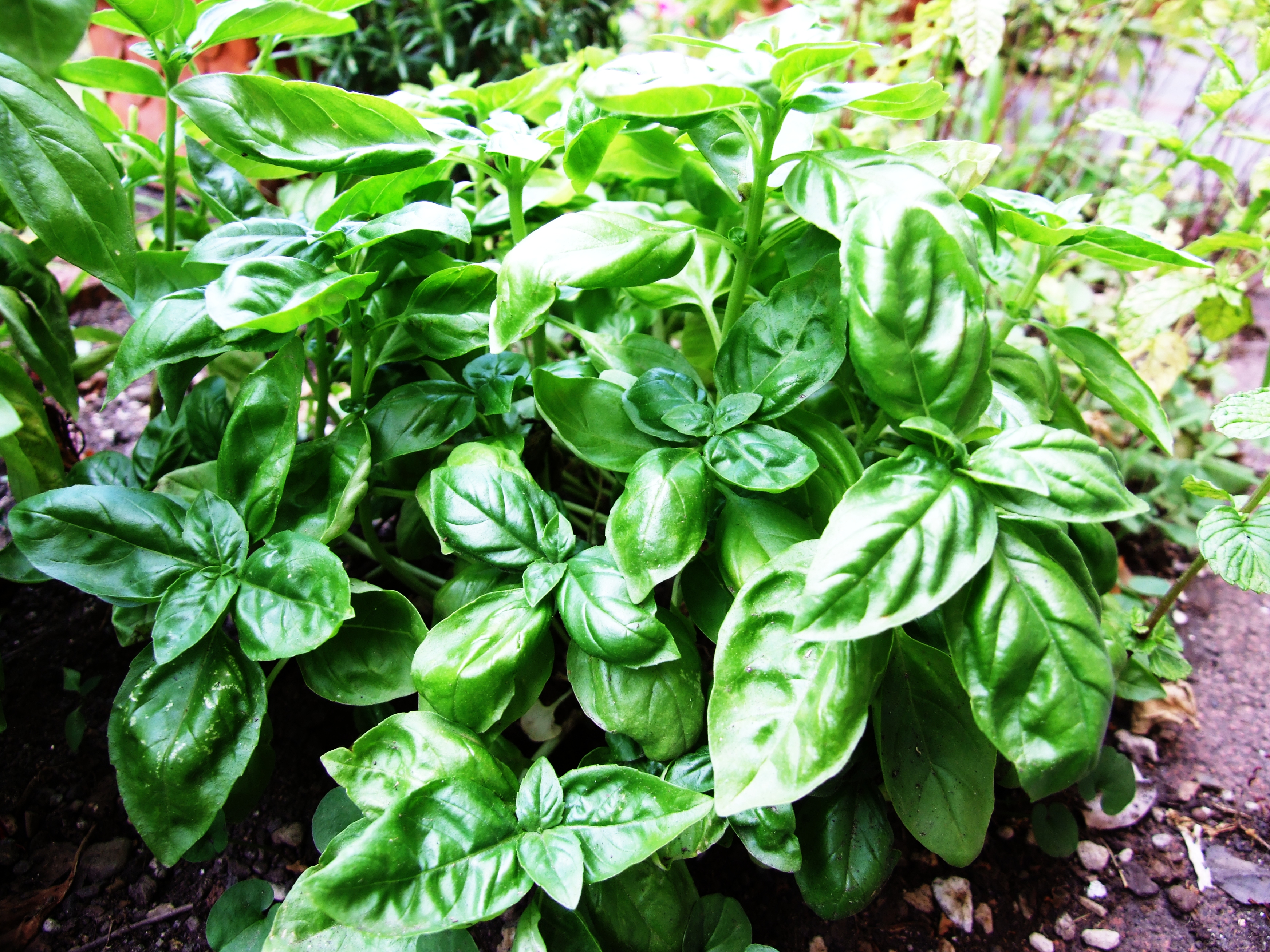
- Basil: Basil is a classic companion plant for tomatoes. It helps to improve the flavor of tomatoes and also repels pests such as aphids and mosquitoes.
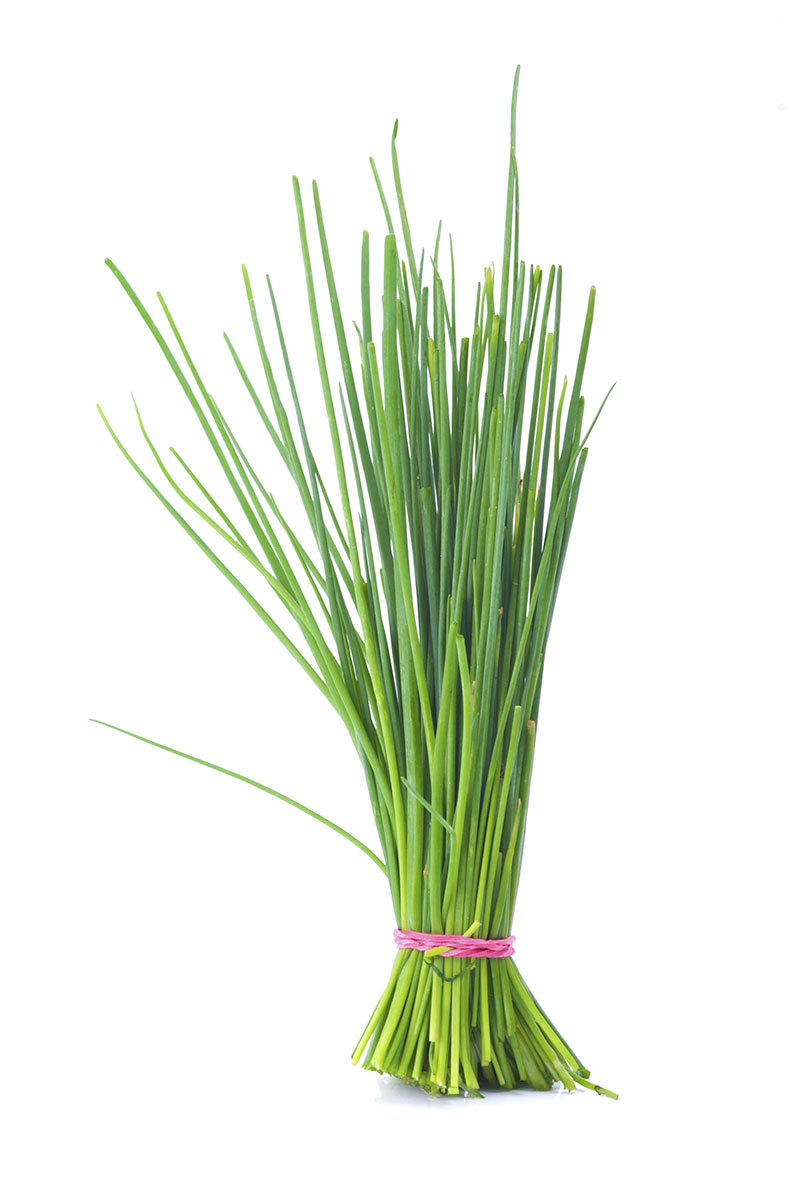
- Chives: Chives are another great companion plant for tomatoes. They help to repel pests such as thrips and spider mites.
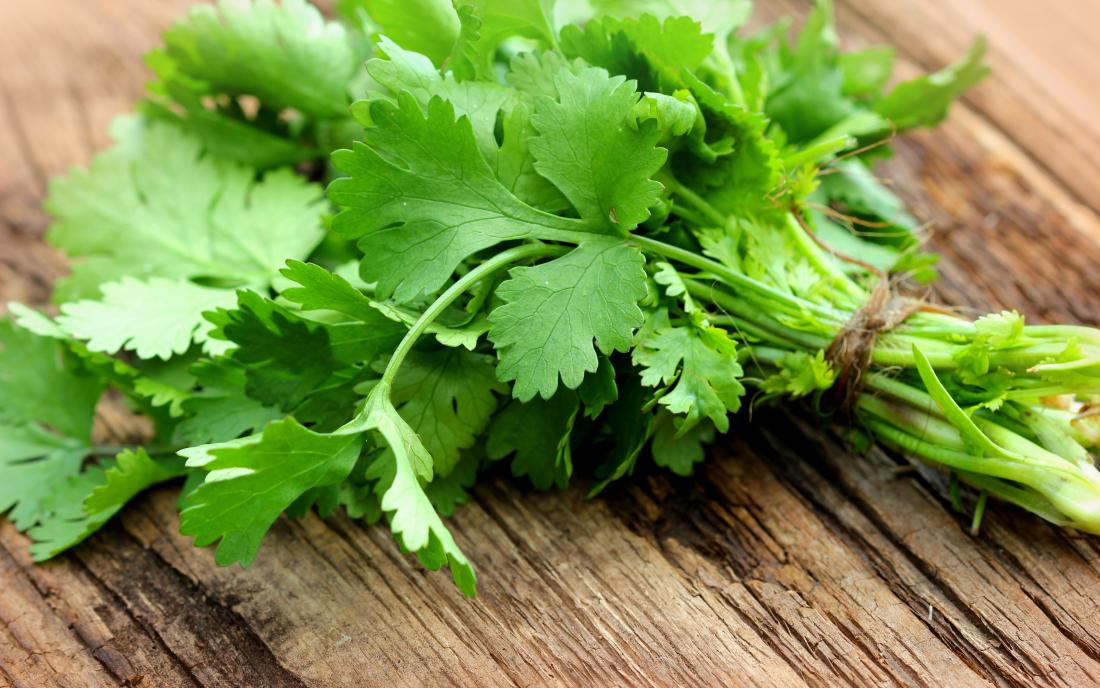
- Cilantro: Cilantro is a flavorful herb that can be used to enhance the flavor of tomatoes. It also helps to repel pests such as whiteflies.
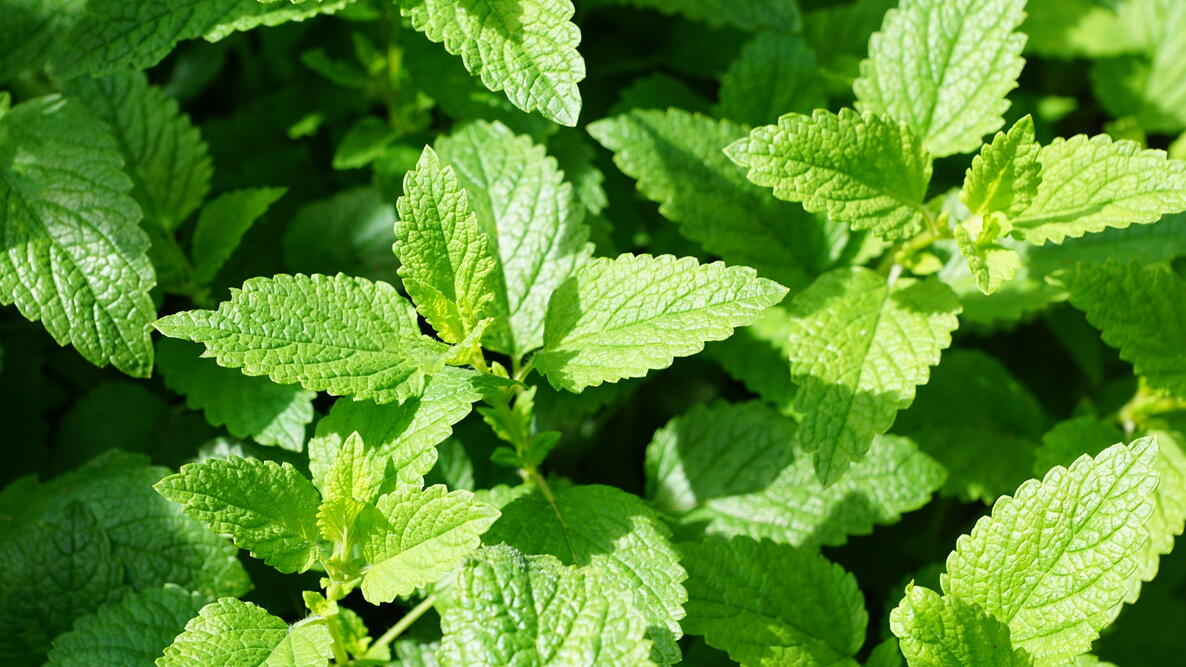
- Mint: Mint is a refreshing herb that can be used to repel pests such as mosquitoes and ants.
- Oregano: Oregano is a flavorful herb that can be used to enhance the flavor of tomatoes. It also helps to repel pests such as tomato hornworms.
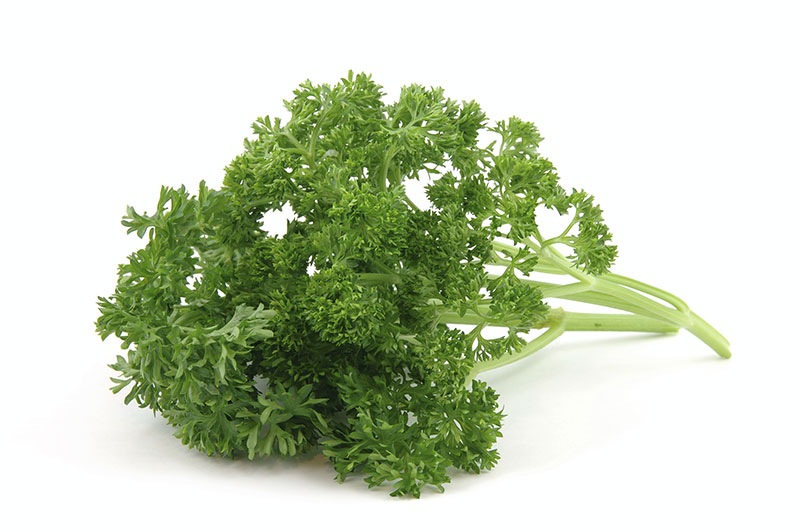
- Parsley: Parsley is a versatile herb that can be used to enhance the flavor of tomatoes. It also helps to attract beneficial insects such as ladybugs.
- Thyme: Thyme is a flavorful herb that can be used to enhance the flavor of tomatoes. It also helps to repel pests such as aphids and spider mites.
How to Plant Tomato Companion Herbs
When planting tomato companion herbs, it is important to consider the spacing requirements of each herb. For example, basil and oregano need full sun, while chives and parsley can tolerate partial shade.
It is also important to plant the herbs in a location where they will not compete with the tomato plants for water and nutrients.
Tips for Using Tomato Companion Herbs
Here are some tips for using tomato companion herbs:
- Add fresh herbs to your tomato salads and salsas for a delicious and flavorful boost.
- Use dried herbs to season your tomato sauces and soups.
- Plant herbs around your tomato plants to help repel pests and improve the health of the soil.
Conclusion
By planting the right tomato companion herbs, you can improve the flavor, pest control, and overall health of your tomato plants. So next time you are planning your tomato garden, be sure to include some of these beneficial herbs.
There are many herbs that can be grown with tomatoes to help improve their growth and flavor. Some of the best tomato companion herbs include basil, mint, parsley, bee balm, cilantro, oregano, marjoram, and rosemary. These herbs can help to deter pests, attract beneficial insects, and improve the overall health of your tomato plants.
For more information about tomato companion herbs, please visit Home Gardening.
FAQ of tomato companion herbs
What are the best tomato companion herbs?
Some of the best tomato companion herbs include:
- Basil: Basil is a classic companion plant for tomatoes, and for good reason. It helps to repel pests like aphids, tomato hornworms, and whiteflies. It also improves the flavor of tomatoes.
- Chives: Chives are another great companion plant for tomatoes. They help to repel pests like aphids and root nematodes. They also improve the flavor of tomatoes.
- Thyme: Thyme is a fragrant herb that helps to repel pests like ants, aphids, and spider mites. It also improves the flavor of tomatoes.
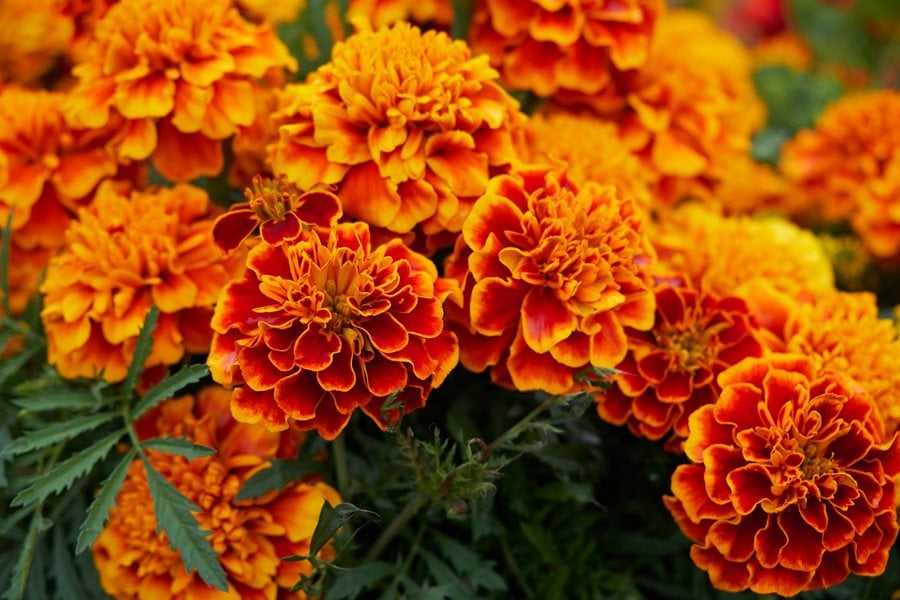
- Marigolds: Marigolds are not technically herbs, but they are a great companion plant for tomatoes. They help to repel pests like aphids, tomato hornworms, and nematodes. They also attract beneficial insects like ladybugs and lacewings.
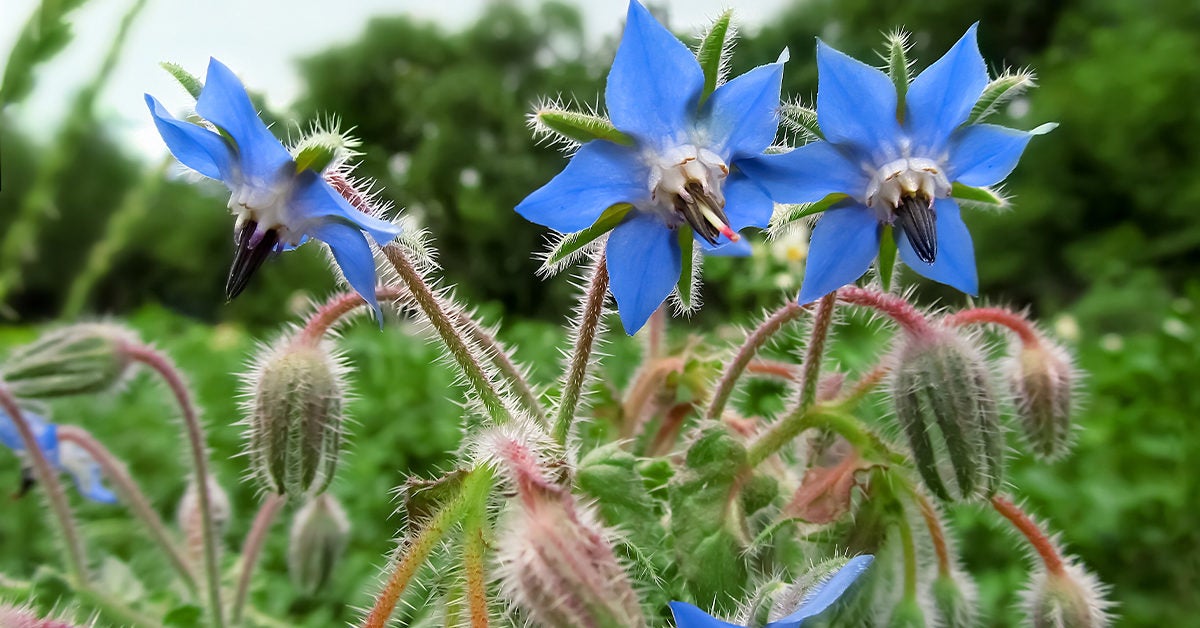
- Borage: Borage is a flowering herb that helps to attract pollinators like bees and butterflies. It also helps to repel pests like aphids and spider mites.
Can I plant herbs next to tomatoes?
Yes, you can plant herbs next to tomatoes. In fact, many herbs are beneficial to tomatoes and can help to improve their growth and flavor. Some herbs that are especially good to plant next to tomatoes include basil, chives, thyme, marigolds, and borage.
What are some herbs that I should not plant near tomatoes?
There are a few herbs that you should not plant near tomatoes. These include mint, parsley, and rue. Mint can be invasive and take over your garden. Parsley can attract carrot rust flies, which can damage tomatoes. Rue can be toxic to both humans and animals.
What are the benefits of planting companion herbs with tomatoes?
There are many benefits to planting companion herbs with tomatoes. Some of the benefits include:
- Improved growth: Companion herbs can help to improve the growth of tomatoes by attracting beneficial insects, providing nutrients, and suppressing weeds.
- Increased flavor: Companion herbs can also help to increase the flavor of tomatoes by attracting pollinators and providing essential oils.
- Disease and pest control: Companion herbs can help to repel pests and diseases that can damage tomatoes.
- Attracting pollinators: Companion herbs can attract pollinators like bees and butterflies, which can help to increase the pollination of tomatoes.
How far apart should I plant companion herbs with tomatoes?
The distance that you plant companion herbs with tomatoes will depend on the size of the herbs. For small herbs like chives and thyme, you can plant them about 6 inches away from the tomatoes. For larger herbs like basil and mint, you can plant them about 12 inches away from the tomatoes.
Image of tomato companion herbs
- Basil: Basil is a classic companion herb for tomatoes. It helps to repel pests and attract beneficial insects.
- Chives: Chives are another great companion herb for tomatoes. They help to improve the flavor of tomatoes and deter pests.
- Dill: Dill is a good companion herb for tomatoes because it helps to repel aphids and spider mites.

- Marigolds: Marigolds are not technically an herb, but they are a great companion plant for tomatoes. They help to repel nematodes and other pests.
- Onions: Onions are a good companion herb for tomatoes because they help to repel root knot nematodes.
- Parsley: Parsley is a good companion herb for tomatoes because it helps to improve the flavor of tomatoes and deter pests.
- Pot Marigolds: Pot marigolds are not technically an herb, but they are a great companion plant for tomatoes. They help to repel nematodes and other pests.
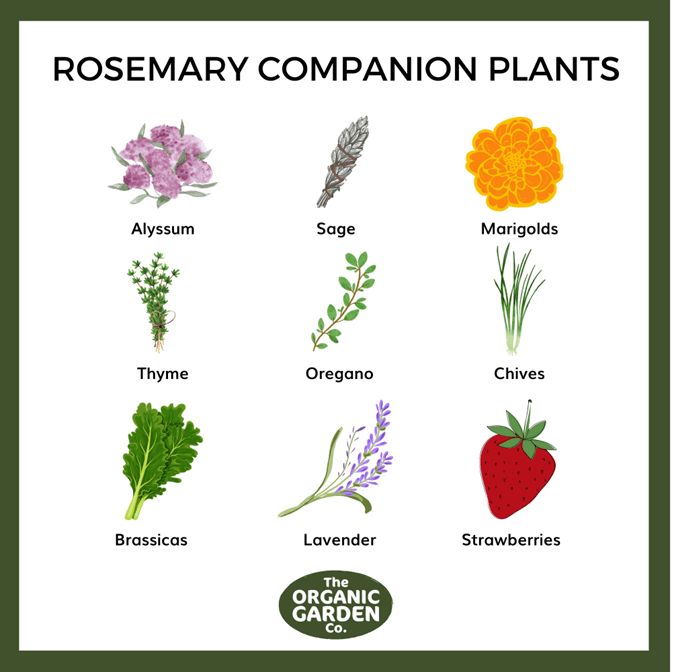
- Rosemary: Rosemary is a good companion herb for tomatoes because it helps to improve the flavor of tomatoes and deter pests.
- Thyme: Thyme is a good companion herb for tomatoes because it helps to improve the flavor of tomatoes and deter pests.


Post a Comment for "The Best Tomato Companion Herbs For Flavor Pest Control And More"